Honed Edges: A Simple Sharpening Routine for Chisels and Knives
Simplicity and consistency
Sharpening need not be an elaborate ritual. A clear, consistent routine keeps edges ready for work and minimizes time spent on large restorations. The routine below separates small, frequent touch-ups from less frequent, more involved corrections.
Daily touch-up (2–5 minutes)
At the end of a work session, lightly refresh the edge to remove burrs and restore bite.
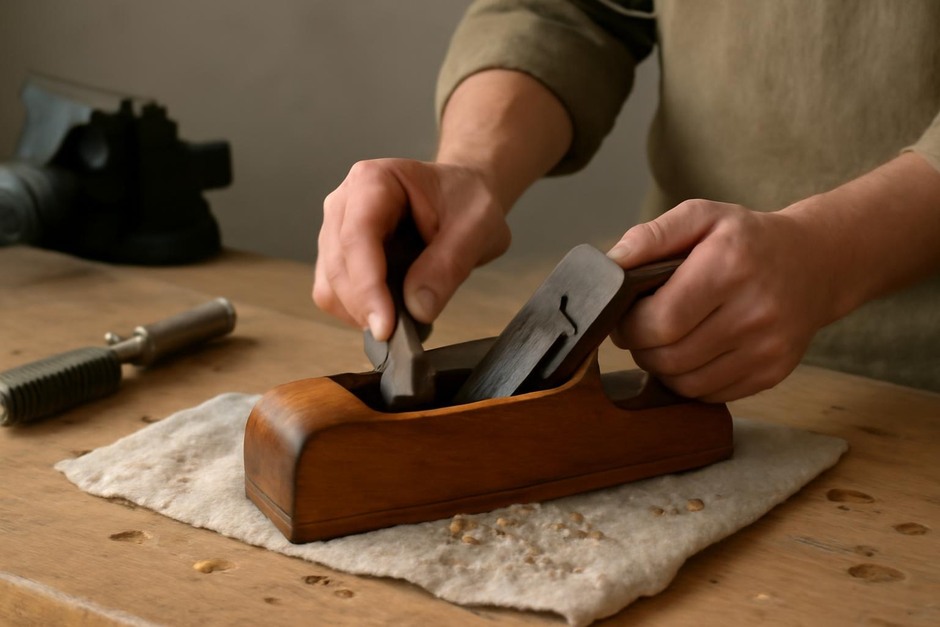
- Use a fine synthetic or natural stone with a light lubricant suitable to your stone type.
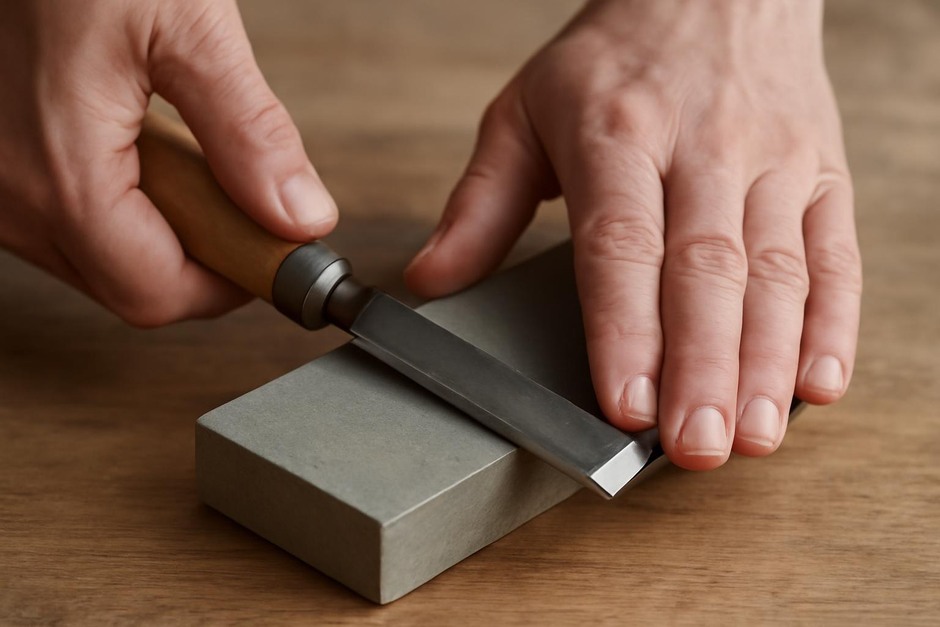
- Place the bevel flat and make a few controlled strokes—ten to twenty—keeping the angle consistent. If you have a marker on the bevel, remove only the outermost layer.
- Strop the edge on leather with light compound or plain leather for a few passes to refine the cutting surface.
Weekly honing (15–25 minutes)
Once a week for active tools, perform a more deliberate honing session.
- Start on a medium-grit stone to address any dulling from heavy use. Re-establish the primary bevel with small, steady passes.
- Progress to a finer stone for polish. Spend more time on very dull edges; steady pressure and consistent angles are more effective than speed.
- Finish with alternate bevel stropping: a few passes on the bevel and a few on the flat back to seat the edge fully.
Monthly flattening and edge geometry check (30–45 minutes)
Every month, check and correct the back and the bevel geometry where necessary.
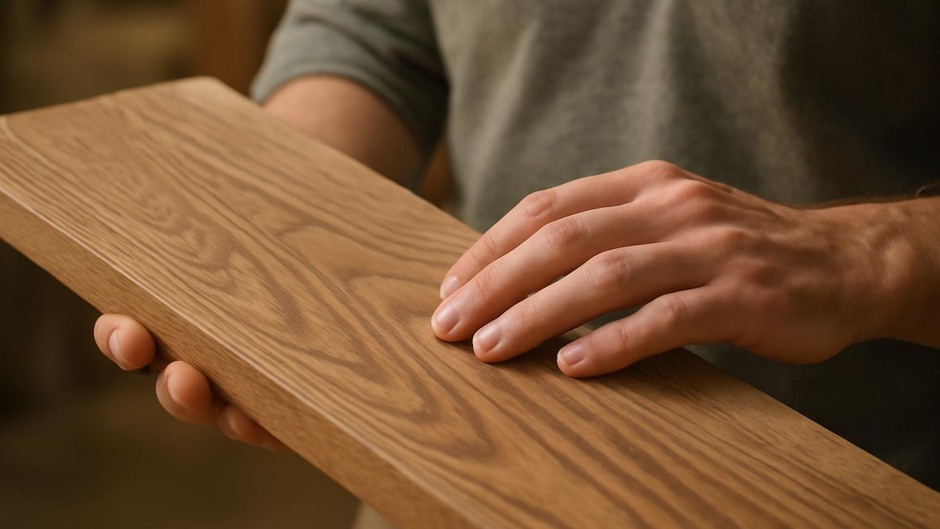
- Lay the chisel flat on a reference surface and use ultra-fine abrasive to ensure the back is fully flat to the edge; even minor convexity reduces sharpness.
- Examine the bevel under a loupe or strong light. Look for consistent mirror finish near the edge. If you see pits or inconsistent reflections, more time on the fine stone is required.
Practical exercises
Try these short practices to internalize angles and feel.
- Angle memory drill: practice sharpening a single chisel with eyes closed after setting your angle visually. Repeat until you reproduce the same angle by feel.
- Paper test progression: after each sharpening stage, slice a sheet of paper from the tip inward. Note the change in effort and finish; this immediate feedback accelerates learning.
Care tips to extend edge life
Edges last longer if protected from conditions that accelerate dulling.
- Avoid knocking edges against nails, stones, or hard inclusions in wood; plan cuts and inspect stock.
- Store tools with protective caps or in a roll to prevent accidental contact.
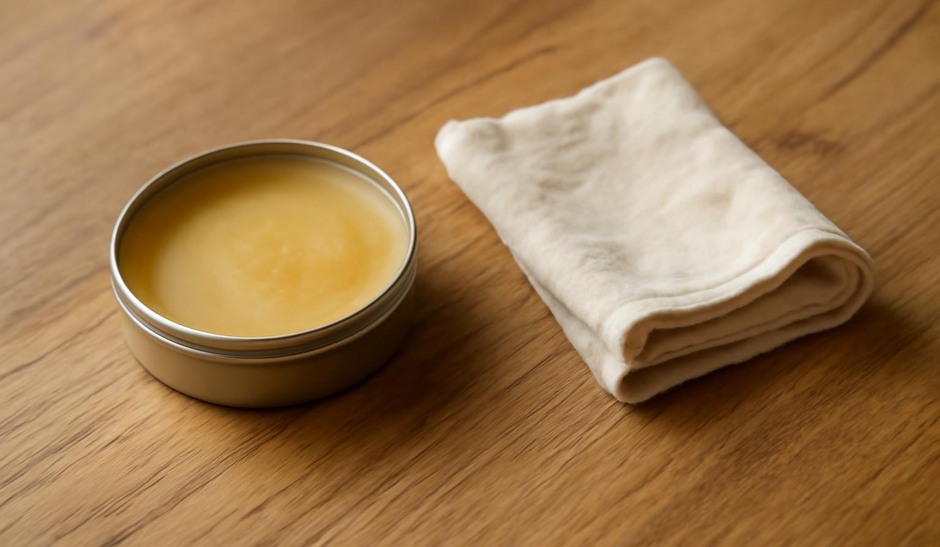
- Use a light oil on metal parts to prevent surface rust, which can pit and degrade an edge over time.
Closing note
Adopt a simple daily touch-up to keep tools ready, a weekly honing session for reliable performance, and a monthly check to correct geometry. These modest steps save time and produce cleaner cuts. Over months, the routine builds confidence and makes sharpening feel less like a chore and more like part of good craft practice.