Sketchbook Habits for Makers: Daily Studies and Material Notes
Why a sketchbook matters for makers
Sketchbooks are a low-pressure space to record observations, experiment with composition, and track material behavior. For makers, a consistent sketchbook habit connects hands-on work with reflective practice and supports decisions at the bench.
A simple daily routine (5–20 minutes)
Consistency matters more than duration. Aim for short daily entries that keep observation active without becoming onerous.
- Five-minute study: choose a small subject—an offcut, a tool handle, or a joint—and render it rapidly. Focus on proportion and value, not detail.
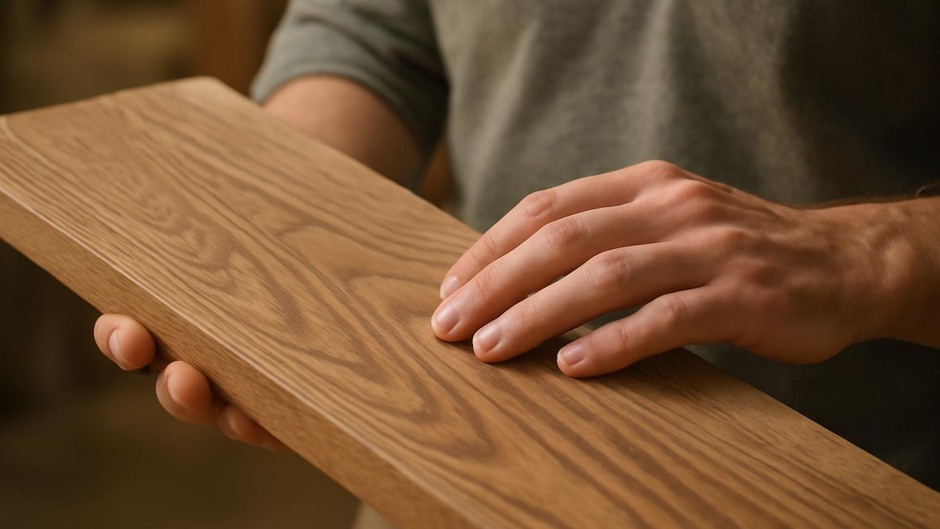
- Material note: add one sentence about the piece you handled that day: species, moisture feel, scent, or unexpected behavior.
- Thumbnail composition: sketch one thumbnail for a planned object or face of a piece to explore balance and proportions.
Weekly planning and reflection (20–40 minutes)
Once a week, use a longer session to connect daily observations.
- Collect the week’s thumbnails and choose one to develop into a measured sketch or a short parts list.
- Review material notes and tool tests. Record a concise lesson: what worked, what didn’t, and a small experiment to try next week.
Exercises to build clarity and useful records
Practice these exercises regularly to sharpen perception and create a record you can refer back to.
- Value scale exercise: create a strip with seven tones from light to dark and practice naming common materials’ tones to train consistent description.
- Edge and joint study: draw the profile of three joints you use most often, label critical dimensions, and note any fit issues you’ve encountered.
- Material experiment log: dedicate a page to a single species. Record how it planes, glues, finishes, and any idiosyncrasies you observe.
Organizing the sketchbook for long-term use
Make the book easy to navigate so it becomes a practical reference rather than an archive you avoid.
- Leave a few blank pages between major projects as dividers, or use a consistent page header for dates and project titles.
- Create an index at the back with short notes and page numbers for things you know you will revisit: joint recipes, finish mixes, or tool settings.
Materials and tools for the sketchbook
Choose a sketchbook that suits your working method.
- A sturdy, medium-weight paper handles graphite, ink, and light washes. Avoid fragile papers that buckle with minimal handling.
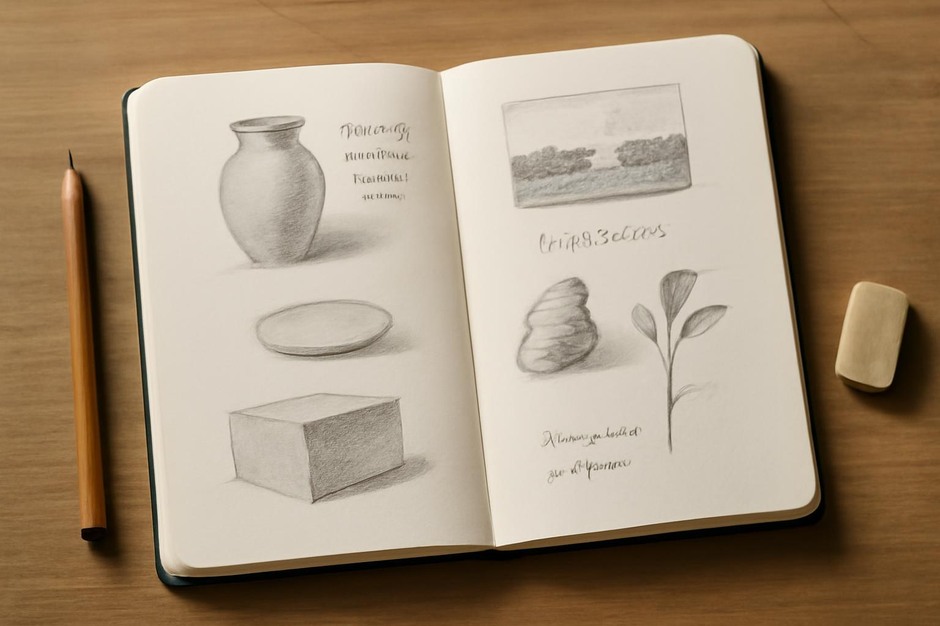
- Simple tools—mechanical pencil, a small pen, and a soft eraser—are enough. Add a small swatch or sample taped to the page when useful.
Closing encouragement
The sketchbook is a companion practice. Small, steady entries create a living record of decisions and discoveries. Over months it becomes a personal manual shaped by hands-on tests, quiet observation, and modest, achievable routines.