Tool Rituals: Maintaining Hand Tools in a Small Workshop
Rituals that keep tools ready
In a small workshop, a few short rituals preserve tool performance and save time. These rituals are practical, repeatable, and scaled to fit limited space. A clear daily flow, a weekly check, and smart storage prevent neglect and frustration.
Daily end-of-day ritual (5–10 minutes)
Make this sequence part of leaving the workshop.
- Clear shavings and dust from benches and tools with a brush or small vacuum.
- Wipe metal surfaces with a lightly oiled cloth to remove moisture.
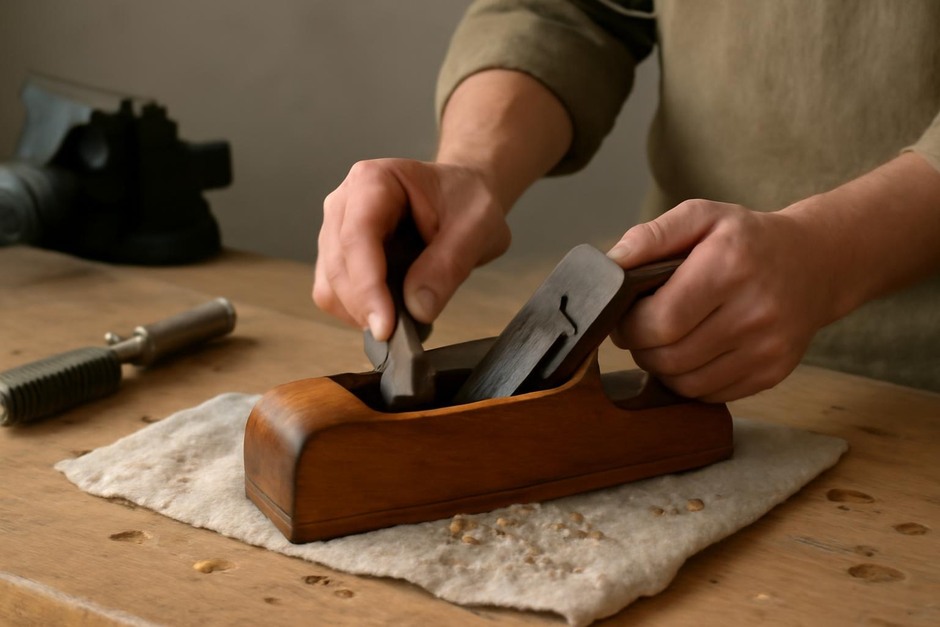
- Retract blades slightly on planes and knives, cover chisel edges, and place tools in their designated spots.
Weekly inspection (15–30 minutes)
A weekly walk-through addresses issues before they grow.
- Check edge sharpness and strop or hone as needed.
- Inspect handles for cracks or looseness; tighten or repair minor issues now rather than later.
- Examine storage conditions: damp spots, sawdust buildup, or clumsy arrangements that invite damage.
Monthly deeper care (30–60 minutes)
Once a month, perform more involved maintenance on a rotating schedule so each tool receives attention without consuming a whole day.
- Sharpen a subset of tools more thoroughly, flatten backs, and correct geometry.
- Disassemble adjustable tools, clean threads and moving parts, and re-lubricate sparingly.
- Apply a protective coat of paste wax to wooden handles and toolboxes to repel moisture and dirt.
Storage strategies for small spaces
Thoughtful storage protects tools and makes the workshop feel orderly.
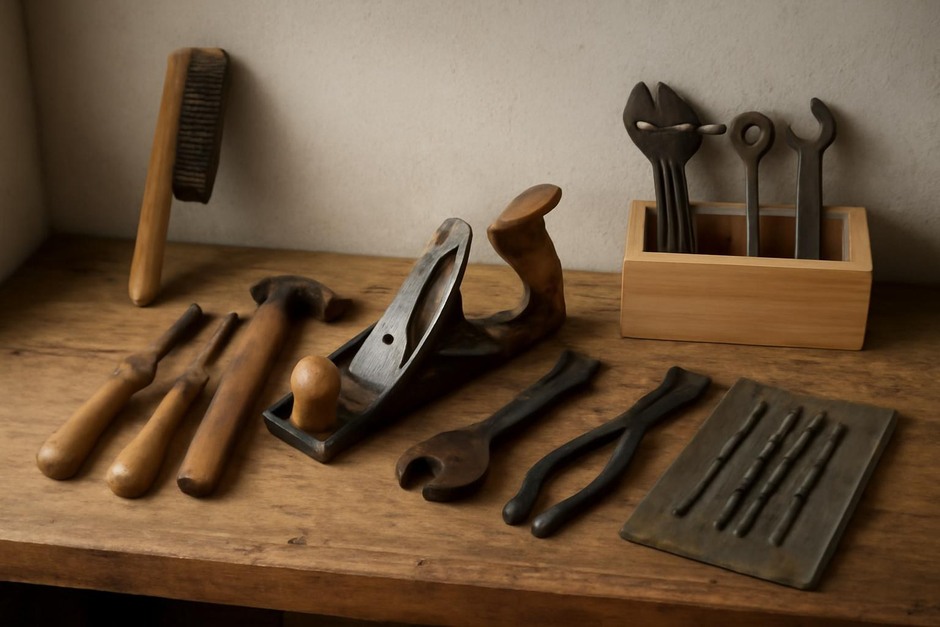
- Vertical racks for planes and saws save bench space and keep edges from contacting surfaces.
- Magnetic strips work well for chisels and small metal tools—mount them at a comfortable height to avoid knocks.
- Dedicated boxes or drawers for small hardware and blades prevent accidental dulling.
Short exercises to build ritual into habit
Use these small practices to make rituals automatic.
- Five-day streak: perform the daily ritual five days in a row and note the difference in tool readiness.
- Weekly checklist: pin a one-page checklist near the exit of your workshop and tick items off during the weekly inspection. The list reduces mental load and helps you remember rotating tasks.
Mindset and pace
Maintenance is neither heroic nor trivial; it is ordinary care. A modest commitment—minutes a day, an hour a month—keeps tools safe and serviceable. When rituals are short and predictable, they become part of the rhythm of making rather than an interruption.
Final thought
Small, consistent rituals are the foundation of dependable craft. In a compact workshop, a measured maintenance program preserves tools, saves time, and supports the calm, steady work that yields satisfying results.